The term sustainable development was officially defined in 1987 as part of the preparations for the Rio earth summit. Sustainable development is development that meets the needs of the present without compromising the ability of the future generation to meet their own needs. In Africa, sustainable development has become a major priority due to the urgent need to address acute climate vulnerability, rapid population growth, economic diversification, and severe infrastructure deficits. Among the global goals established by the United Nations, Sustainable Development Goal 8 (SDG 8) focuses on promoting sustained, inclusive, and sustainable economic growth, full and productive employment as well as decent work for all. This article examines the importance of SDG 8 in Africa and analyzes its application in Cameroon, with a particular focus on Yaoundé 7.
Sustainable Development and Its Implications in Africa
Sustainable development in Africa is a critical, multi-dimensional endeavor aimed at balancing economic growth, social inclusion, and environmental sustainability. The continent faces numerous socio-economic challenges, including high unemployment rates (average unemployment rate in Africa was approximately 7% to 8.9% in 2024.), especially among young people, and a heavy reliance on informal economic activities. While many African countries are experiencing economic growth, this growth is not always inclusive or sustainable.
The implication of sustainable development in Africa is that governments must balance economic progress with social inclusion and environmental protection. For example, creating jobs is essential, but these jobs must also be safe, fairly paid, and stable. Without this balance, economic growth may increase inequality and fail to improve living standards for the majority of the population.
Understanding SDG 8: Decent Work and Economic Growth
Sustainable Development Goal 8 (SDG 8) is a global commitment to « promote sustained, inclusive and sustainable growth, full and productive employment and decent work for all ». Sustainable Development Goal 8 emphasizes the importance of providing decent work opportunities while ensuring continuous economic growth. Decent work, as defined by the International Labour Organization (ILO), refers to productive employment that delivers a fair income, security in the workplace, and social protection for families. It is centered on human dignity, equality, and the freedom for individuals to express their concerns and organize. Still decent work in Africa remains a critical development challenge, characterized by high levels of informality, underemployment, and a rapidly expanding workforce.
The achievement of SDG 8 is critical for reducing poverty and improving quality of life. When individuals have access to stable and well-paying jobs, they can support their families, contribute to the economy, and promote overall national development. Therefore, SDG 8 is a key driver of sustainable development in Africa.
The Situation in Cameroon
In Cameroon, economic activities are growing, particularly in urban areas. However, the landscape faces significant challenges, notably a high rate of informal employment, which was estimated at 87.1% in 2014, and the need for improved working conditions across various sectors.
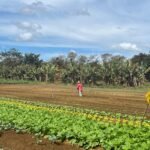
Many young people struggle to find formal employment and are forced to rely on informal jobs such as street vending, small-scale trading, Agriculture and Agri-food, motorcycle transport services ,Construction and Technical Work.
Although these activities contribute to economic growth, they often do not provide decent working conditions. Workers in the informal sector significantly lack in protection, stability, and resources for workers. As a result, the implementation of SDG 8 in Cameroon remains a work in progress, requiring stronger policies and better enforcement of labor standards.
Case Study : Yaoundé 7 and Local Realities
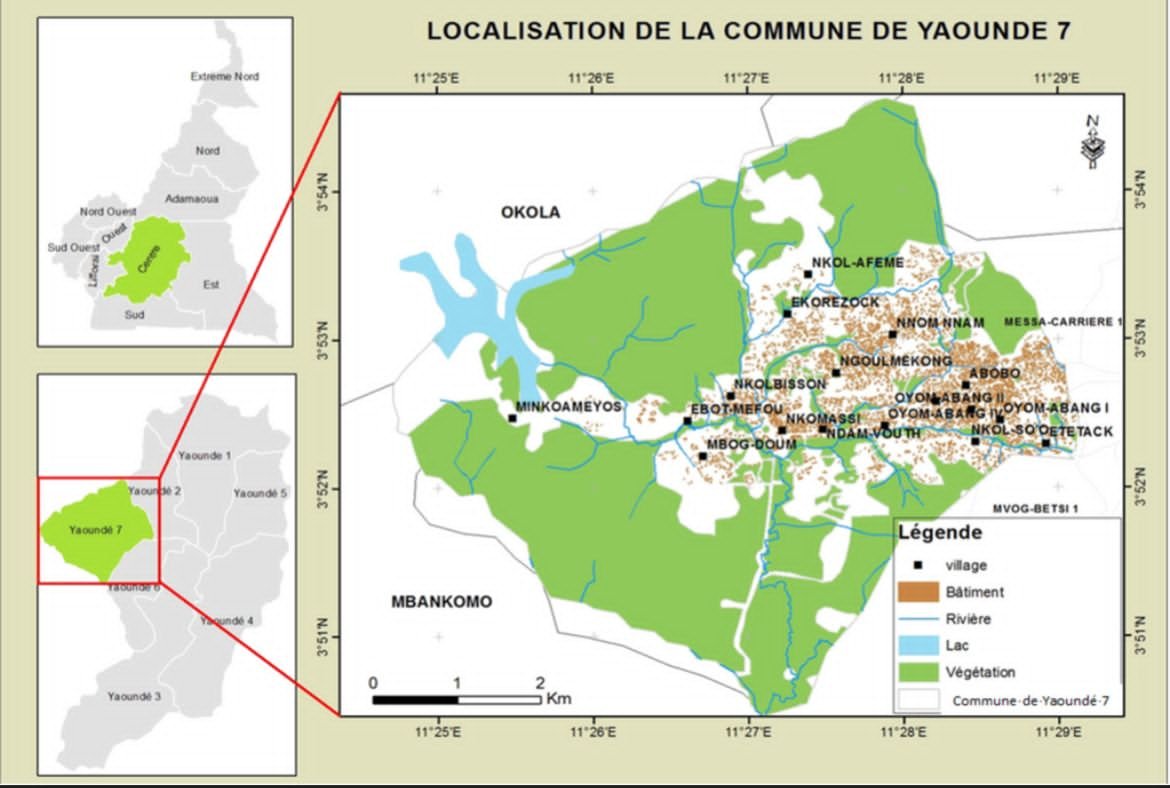
A closer look at Yaoundé 7 a commune in the west of Yaoundé which illustrates the realities of economic life in many urban communities in Cameroon. It is an area characterized by a high level of economic activity, largely driven by small businesses, local markets, and informal employment. Many residents engage in trading, transportation services, and other forms of self-employment.
While these activities contribute to economic growth, they also reveal significantly challenges in achieving decent work. Most workers operate without formal contracts, earn low and unstable incomes, and work under difficult conditions. This situation highlights a gap between economic growth and the provision of decent work, which is the core objective of SDG 8.
Nevertheless, The Yaoundé 7 City Council (Commune d’Arrondissement de Yaoundé VII) is actively engaged in promoting local development through infrastructure projects, environmental protection, and strategic planning. Yet more efforts are needed to regulate informal activities and improve working conditions in order to fully achieve sustainable development at the local level.
Recommendations for Improvement
Improving working conditions in Yaoundé 7) requires a combination of formalizing the informal sector, improving safety standards, enhancing social dialogue, and investing in infrastructure to support local businesses. Based on employment trends and labor studies in Cameroon, here are recommendations tailored to improving working conditions:
Firstly, Formalization and Support for the Informal Sector
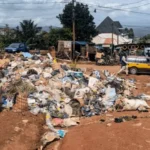
Support Grassroots Actors: Implement targeted support for waste collectors, small traders, and street vendors, who are often vulnerable to harassment and lack institutional support.
Incentivize Formalization: Offer incentives for small businesses (SMEs) to register and shift from the informal to the formal sector to provide workers with better legal protections.
Develop Local Markets: Create organized, well-equipped markets to move vendors from unstable, dangerous, and unsuitable street locations into safer, established spaces.
Secondly, Strengthening Occupational Health and Safety
Implement QHSE Training: Train employers and employees on Quality, Health, Safety, and Environment (QHSE) standards, especially for SMEs, to enhance safety and cleanliness at work sites.
Health and Safety Policies: Enforce stricter compliance with safety standards (e.g., in industrial, construction, or manufacturing sectors) to reduce occupational hazards.
Thirdly, Enhancing Social Dialogue and Labor Rights
Foster Social Dialogue: Encourage the creation of workers’ representatives to promote social dialogue within companies, leading to a better working climate and safety.
In conclusion, sustainable development is essential for Africa’s progress, with SDG 8 emphasizing the need for decent work and inclusive economic growth. While Cameroon shows signs of economic activity, many challenges remain, particularly in the informal sector. The case of Yaoundé 7 highlights the gap between economic growth and decent employment. Therefore, stronger efforts are needed to ensure that growth leads to better and more sustainable livelihoods for all.
References
-Sustainable development a necessity for Africa now by CSHD UNILAG, Africa climate insights, PubMed central (PMC). (gov), Gaia education, International Labour organization (ILO),Africa youth employment outlook 2026, Cameroon economic policy institute, Yaoundé 7.cm,Maire de Yaoundé 7,2030 SPOLIGHT, the Guardian post, pan African medical journal.
Written by : Nindjouo Napong Patricia oceane
SCHOOL INFORMATION
NAME : Nindjouo Napong Patricia océane
Matricule : ICTU20251108
EMAIL : nindjouopatricia@gmail.com, nindjouo.oceane@ictuniversity.edu.cm








No Comments